Maintaining a healthy weight requires consistent food choices that support your goals. Cereal can be part of a balanced diet when you choose the right types. However, not all cereals are created equal. This guide helps you select cereals that support weight maintenance while providing essential nutrients your body needs.
Understanding Weight Maintenance and Cereal
Weight maintenance means keeping your current weight stable over time. Unlike weight loss or gain, maintenance requires consuming roughly the same number of calories your body burns daily. Therefore, choosing foods that satisfy hunger without excessive calories becomes crucial.
Cereal offers convenience for busy mornings. Many people enjoy cereal because it requires minimal preparation time. Additionally, the right cereal provides fiber, vitamins, and minerals that support overall health. According to Harvard Health Publishing, fiber-rich foods help maintain healthy weight by promoting fullness.
The challenge lies in identifying truly healthy options. Marketing claims can mislead consumers into thinking sugary cereals are nutritious. Consequently, learning to read labels and understand ingredients empowers better choices.
Key Nutrients to Look For
Successful weight maintenance cereals share certain nutritional characteristics. These features help control hunger, stabilize blood sugar, and provide sustained energy throughout the morning.
Fiber stands as the most important nutrient in weight maintenance cereals. Aim for cereals containing at least five grams of fiber per serving. Fiber slows digestion and keeps you feeling full longer. This reduces the likelihood of snacking before lunch.
Protein content also matters significantly. Cereals with at least three to five grams of protein per serving provide better satiety. Some cereals now include added protein from sources like nuts, seeds, or protein concentrates.
Whole grains should appear as the first ingredient. Whole grains retain all parts of the grain kernel, providing more nutrients than refined grains. Look for terms like whole wheat, whole oats, or whole grain corn on ingredient lists.
Low sugar content protects against blood sugar spikes and crashes. Choose cereals with six grams of sugar or less per serving. Many popular cereals contain 10 to 15 grams of sugar, which can trigger cravings and overeating later.
Best Types of Cereal for Weight Maintenance
Several cereal categories consistently support weight maintenance goals. Understanding these options helps you make informed decisions at the grocery store.
Oatmeal ranks among the top choices for weight maintenance. Steel-cut oats and rolled oats provide excellent fiber and protein. They digest slowly, keeping hunger at bay for hours. Furthermore, plain oatmeal contains no added sugars, allowing you to control sweetness levels.
Bran cereals offer exceptional fiber content. Wheat bran and oat bran cereals often contain eight to ten grams of fiber per serving. This high fiber content promotes digestive health while supporting weight stability. However, introduce bran cereals gradually to avoid digestive discomfort.
Whole grain cereals without added sugar work well for maintenance. These include puffed whole grain varieties and shredded wheat options. They provide the benefits of whole grains without unnecessary calories from sweeteners.
Muesli combines rolled oats, nuts, seeds, and dried fruit. Traditional unsweetened muesli offers balanced nutrition with natural sweetness from fruit. Nevertheless, check labels carefully as some brands add significant amounts of sugar or honey.
Granola can support weight maintenance when chosen wisely. Look for low-sugar varieties with healthy fats from nuts and seeds. Measure portions carefully, as granola is calorie-dense. A quarter cup serving often provides adequate crunch and flavor when mixed with yogurt or other cereals.
Cereals to Avoid for Weight Maintenance
Certain cereal types undermine weight maintenance efforts. Recognizing these helps you navigate grocery store aisles more effectively.
Sugary children’s cereals rank among the worst choices. These often contain 12 to 15 grams of sugar per serving with minimal fiber. The sugar content causes rapid blood sugar spikes followed by crashes that trigger hunger and cravings.
Granola marketed as healthy but loaded with added sugars and oils creates problems. Some granolas contain as many calories as candy bars. Always check the nutrition label rather than relying on front-of-package health claims.
Cereals with artificial colors, flavors, and preservatives offer little nutritional value. These additives provide no benefit for weight maintenance. Moreover, some people experience sensitivities to these chemicals.
Frosted or coated cereals add unnecessary calories through sugar coatings. Even cereals that start with whole grains lose their benefits when covered in sweeteners. The coating often doubles the sugar content compared to the base cereal.
How to Read Cereal Labels Effectively
Label reading skills empower you to identify truly healthy cereals. Manufacturers use various tactics to make products appear healthier than they are. Therefore, knowing what to examine protects against misleading marketing.
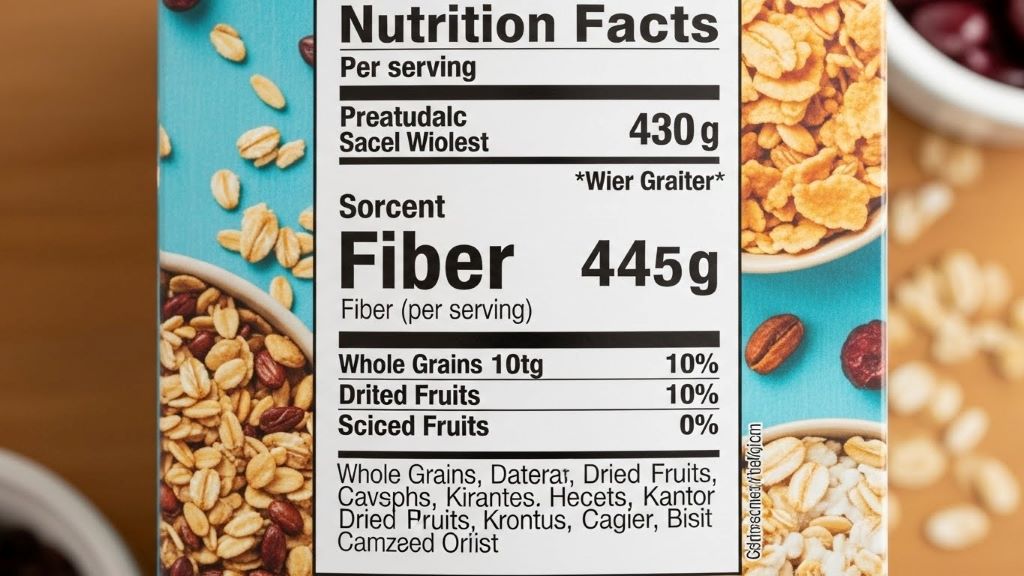
Start with the ingredient list rather than front-of-package claims. Ingredients appear in descending order by weight. Whole grains should occupy the first position. If sugar or sweeteners appear within the first three ingredients, consider alternative options.
Check the serving size carefully. Many cereals list surprisingly small serving sizes to make nutrition numbers appear better. A typical serving might be three-quarters of a cup, but most people pour one to two cups. Calculate the actual nutritional content based on your typical portion.
Examine the fiber-to-sugar ratio. Ideally, fiber grams should equal or exceed sugar grams. This indicates a cereal focused on nutrition rather than taste alone. Cereals meeting this criterion typically support better blood sugar control.
Look at the complete nutrition panel including vitamins and minerals. Many cereals are fortified with essential nutrients. While whole food sources are preferable, fortification adds value if you struggle to meet nutrient needs through other foods.
Watch for hidden sugars under different names. Manufacturers use terms like evaporated cane juice, maltose, dextrose, corn syrup, and honey. All these ingredients contribute to total sugar content regardless of their name.
Portion Control Strategies
Even healthy cereals require appropriate portions for weight maintenance. Portion sizes significantly impact total calorie intake, making measurement important.
Use measuring cups initially to understand proper portions. Most people pour two to three times the recommended serving size when eyeballing amounts. Measuring for a few weeks trains your eye to recognize appropriate quantities.
Choose smaller bowls to make portions appear more substantial. Research shows that larger dishes encourage larger servings. A properly sized bowl prevents overpouring while maintaining visual satisfaction.
Add volume without calories by mixing cereal with foods like berries or sliced banana. The fruit increases portion size while providing additional nutrients and fiber. This strategy creates a more filling meal without excessive cereal.
Consider mixing a small amount of higher-calorie cereal with a lower-calorie base. For example, add a quarter cup of granola to a cup of puffed wheat. This provides flavor and texture variety while controlling calories.
Measure your milk or yogurt as well. Liquid calories count toward your daily total. Using a half cup to three-quarters cup of unsweetened almond milk or low-fat milk keeps beverages from sabotaging your efforts.
Enhancing Cereal for Better Nutrition
Strategic additions transform basic cereals into more balanced meals. These enhancements boost protein, healthy fats, and overall nutrition without excessive calories.
Add nuts or seeds for protein and healthy fats. A tablespoon of almonds, walnuts, or chia seeds increases satiety substantially. These additions provide omega-3 fatty acids and additional fiber. However, measure carefully as nuts are calorie-dense.
Top cereal with fresh or frozen berries. Berries offer antioxidants, fiber, and natural sweetness with minimal calories. Strawberries, blueberries, and raspberries work particularly well. Frozen options provide year-round availability and cost savings.
Mix in Greek yogurt instead of milk occasionally. Greek yogurt delivers significantly more protein than milk, keeping you full longer. Choose plain varieties and control sweetness with a small amount of honey or fruit.
Sprinkle cinnamon or vanilla extract for flavor without calories. These additions make plain cereals more enjoyable without sugar. Cinnamon may also help regulate blood sugar levels according to some research.
Include ground flaxseed for omega-3 fatty acids and extra fiber. One to two tablespoons adds minimal calories while boosting nutritional value. Mix it directly into cereal or yogurt for easy incorporation.
Timing Your Cereal Consumption
When you eat cereal impacts its effectiveness for weight maintenance. Strategic timing maximizes benefits while minimizing potential drawbacks.
Breakfast remains the ideal time for most people. Starting your day with fiber and whole grains stabilizes blood sugar and reduces overall daily calorie intake. Morning cereal consumption has been linked to better weight management in multiple studies.
Post-workout eating represents another good opportunity. After exercise, your body efficiently uses carbohydrates to replenish energy stores. Cereal with added protein serves as a convenient recovery option. Furthermore, the combination supports muscle maintenance crucial for metabolic health.
Avoid eating cereal as a late-night snack. Evening consumption of carbohydrates when activity levels are low may not align with weight maintenance goals for some people. Additionally, easy-to-overeat foods like cereal pose challenges during mindless evening snacking.
Consider cereal for lunch occasionally when time is limited. While not traditional, a bowl of healthy cereal with yogurt and fruit provides quick nutrition. This works better than skipping meals or choosing fast food alternatives.
Milk and Alternative Options
The liquid you pour over cereal affects overall nutrition and calorie content. Various options suit different dietary preferences and goals.
Low-fat or skim dairy milk provides protein and calcium with moderate calories. One cup contains about 80 to 90 calories plus eight grams of protein. Dairy milk works well if you tolerate lactose and enjoy the taste.
Unsweetened almond milk offers the lowest calorie option at 30 to 40 calories per cup. However, it contains minimal protein. Choose fortified versions for added calcium and vitamin D. This option suits those avoiding dairy or watching calories closely.
Unsweetened soy milk delivers protein comparable to dairy milk with fewer calories. Each cup provides six to eight grams of protein. Soy milk creates a creamy texture that many people enjoy. Nevertheless, check labels as sweetened versions contain added sugars.
Unsweetened oat milk provides a middle ground with natural sweetness and fiber. It contains more carbohydrates than other alternatives but offers a satisfying taste. According to CNN Health, oat milk has gained popularity for its environmental benefits and nutrition profile.
Greek yogurt mixed with a splash of milk creates a protein-rich alternative. This combination transforms cereal into a more substantial meal. The thick consistency prevents cereal from becoming soggy quickly.
Creating Balanced Cereal Meals
Cereal alone rarely provides complete nutrition for weight maintenance. Building balanced meals around cereal ensures adequate protein, healthy fats, and overall satisfaction.
Pair cereal with a protein source like eggs or turkey sausage. This combination delivers lasting energy and satiety. The protein balances the carbohydrates from cereal, preventing blood sugar fluctuations.
Include a serving of fruit beyond what you add to your bowl. A piece of whole fruit on the side increases fiber and nutrient intake. This strategy adds volume to your meal without excessive calories.
Consider a small handful of nuts alongside your cereal. While you might add seeds to your bowl, eating nuts separately slows consumption. This mindful approach prevents overeating while providing healthy fats.
Drink water or unsweetened tea with breakfast. Staying hydrated supports metabolism and helps distinguish hunger from thirst. Many people mistake thirst for hunger, leading to unnecessary snacking.
Conclusion
Choosing healthy cereal for weight maintenance involves examining fiber content, protein levels, sugar amounts, and ingredient quality. The best options include oatmeal, unsweetened bran cereals, whole grain varieties, and carefully selected muesli or granola. Reading labels carefully helps you avoid misleading marketing claims and identify truly nutritious choices. Remember to control portions, add nutrient-dense toppings, and pair cereal with protein sources for balanced meals. By making informed decisions about cereal types and consumption habits, you can enjoy this convenient food while successfully maintaining your weight and supporting overall health.
Frequently Asked Questions
What is the healthiest cereal for maintaining weight?
Plain oatmeal and unsweetened bran cereals are among the healthiest options for weight maintenance. They provide high fiber content with minimal added sugars. Look for cereals with at least five grams of fiber and fewer than six grams of sugar per serving.
Can I eat cereal every day and maintain my weight?
Yes, you can eat cereal daily while maintaining weight if you choose healthy varieties and control portions. Measure servings, select high-fiber options, and balance cereal with protein sources. Variety in your diet remains important for overall nutrition.
How much cereal should I eat for weight maintenance?
Most people should stick to the recommended serving size on the package, typically three-quarters to one cup. Measure portions initially to understand appropriate amounts. Add volume with berries or mix with yogurt rather than pouring extra cereal.
Is granola good for weight maintenance?
Granola can support weight maintenance when chosen carefully and portioned properly. Select low-sugar varieties with whole grains and nuts. Limit servings to one-quarter cup as granola is calorie-dense. Mix it with other cereals to extend portions.
Should I avoid all sugar in cereal?
You don’t need to avoid all sugar, but limit added sugars to six grams or less per serving. Some natural sugars from dried fruit are acceptable. Focus on choosing cereals where whole grains appear first on the ingredient list rather than sweeteners.
Related Topics: