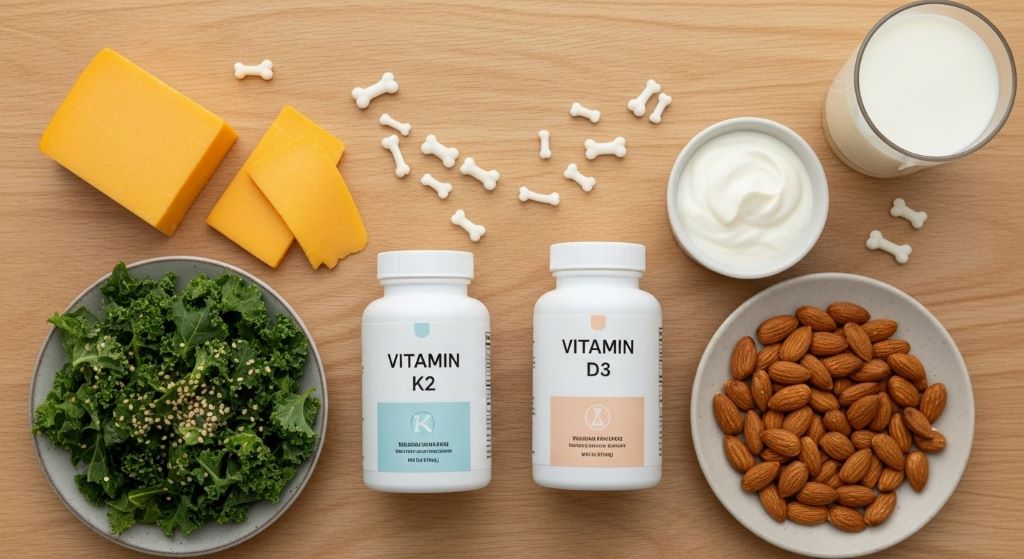
Strong bones are essential for maintaining mobility and independence throughout life. While calcium often takes center stage in bone health discussions, two lesser-known vitamins play equally important roles. Vitamin K2 and vitamin D3 work together to build and maintain bone resilience over time. Understanding how these nutrients function can help you make informed decisions about your skeletal health.
Understanding the Bone Building Process
Your bones constantly undergo a process called remodeling. This involves breaking down old bone tissue and forming new bone in its place. Therefore, maintaining strong bones requires more than just calcium intake. Your body needs specific vitamins to direct calcium to the right places and ensure proper bone formation.
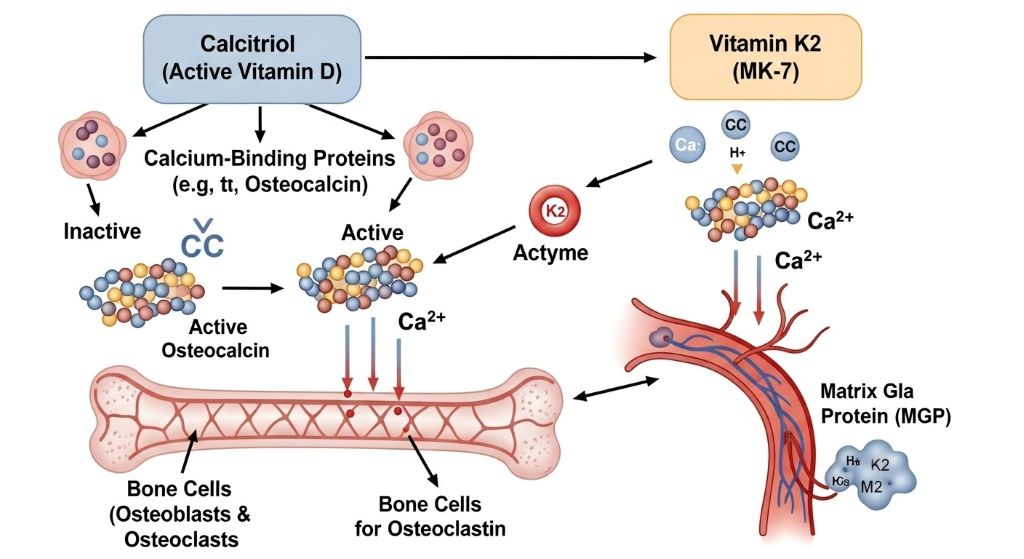
Vitamin D3 helps your intestines absorb calcium from food. However, absorption alone does not guarantee strong bones. The calcium must reach your skeletal system rather than settling in soft tissues like arteries. This is where vitamin K2 becomes crucial for bone health.
The Role of Vitamin D3 in Bone Health
Vitamin D3, also known as cholecalciferol, is the most bioavailable form of vitamin D. Your skin produces it when exposed to sunlight. Additionally, you can obtain it through certain foods and supplements.
This vitamin performs several important functions for your bones. First, it increases calcium absorption in your digestive system. Without adequate vitamin D3, your body can only absorb about 10 to 15 percent of dietary calcium. With sufficient levels, absorption jumps to 30 to 40 percent.
Furthermore, vitamin D3 regulates calcium and phosphorus levels in your bloodstream. These minerals are the primary building blocks of bone tissue. The vitamin signals your bones to release or absorb minerals as needed to maintain proper blood levels.
Research shows that vitamin D deficiency significantly increases fracture risk. According to studies published by the National Institutes of Health, maintaining optimal vitamin D levels is essential for preventing bone loss and reducing fall risk in older adults.
How Vitamin K2 Directs Calcium to Your Bones
Vitamin K2 is distinct from vitamin K1, which primarily supports blood clotting. K2 exists in several forms, with MK-7 being the most studied for bone health. This nutrient activates specific proteins that control calcium placement in your body.
The most important protein is osteocalcin. Vitamin K2 activates osteocalcin, which then binds calcium and incorporates it into bone tissue. Without adequate K2, osteocalcin remains inactive and cannot perform this essential function.
Moreover, vitamin K2 activates matrix GLA protein, which prevents calcium from depositing in soft tissues. This dual action ensures calcium strengthens your bones rather than hardening your arteries. Consequently, K2 supplementation may benefit both skeletal and cardiovascular health.
The Synergistic Relationship Between K2 and D3
These two vitamins work better together than separately. Vitamin D3 increases the production of vitamin K2-dependent proteins like osteocalcin. However, these proteins need K2 to become active and functional.
Think of this relationship as a construction project. Vitamin D3 delivers the building materials (calcium) and creates the workers (proteins). Meanwhile, vitamin K2 activates those workers so they can actually build strong bone structures.
Studies suggest that combining K2 and D3 produces superior bone density results compared to either vitamin alone. Therefore, many health professionals now recommend taking these supplements together for optimal bone support.
Food Sources of Vitamin K2 and D3
Getting these vitamins from food provides additional nutrients that support overall health. Vitamin D3 is found in fatty fish like salmon, mackerel, and sardines. Egg yolks and fortified dairy products also contain modest amounts.
Vitamin K2 comes primarily from fermented foods and animal products. Natto, a Japanese fermented soybean dish, contains the highest levels. Other sources include hard cheeses, soft cheeses, egg yolks, and chicken liver. Grass-fed butter and meat contain more K2 than grain-fed alternatives.
However, most people struggle to obtain sufficient amounts through diet alone. Modern eating habits and reduced sun exposure make supplementation a practical option for many individuals.
Supplementation Guidelines and Considerations
When choosing supplements, quality matters significantly. Look for vitamin D3 rather than D2, as D3 is more effective at raising blood levels. For vitamin K2, the MK-7 form offers better absorption and longer-lasting effects than MK-4.
Typical supplementation ranges from 1,000 to 5,000 IU of vitamin D3 daily. Vitamin K2 doses usually fall between 90 and 200 micrograms per day. Nevertheless, individual needs vary based on current levels, age, and health status.
Taking these fat-soluble vitamins with meals containing healthy fats improves absorption. Additionally, consistent daily intake works better than sporadic high doses. Blood tests can help determine your current vitamin D status and guide appropriate dosing.
Who Benefits Most from K2 and D3 Supplementation
Certain groups face higher risks of deficiency and bone problems. Postmenopausal women experience accelerated bone loss due to decreased estrogen levels. Therefore, adequate K2 and D3 intake becomes particularly important during and after menopause.
Older adults also benefit significantly from these vitamins. Age reduces the skin’s ability to produce vitamin D3 from sunlight. Furthermore, aging decreases calcium absorption efficiency, making vitamin D3 supplementation more crucial.
People with limited sun exposure, such as office workers or those living in northern climates, often have low vitamin D levels. Similarly, individuals following plant-based diets may lack adequate vitamin K2 without careful planning or supplementation.
Long-Term Benefits Beyond Bone Density
While bone health remains the primary focus, these vitamins offer additional advantages. Vitamin D3 supports immune function, mood regulation, and muscle strength. Stronger muscles help prevent falls, which in turn reduces fracture risk.
Vitamin K2’s role in preventing arterial calcification may support cardiovascular health. Some research suggests it helps keep arteries flexible and healthy. However, this protective effect requires further study to fully understand.
Moreover, emerging research explores potential benefits for dental health, brain function, and metabolic health. These areas show promise but need more investigation before definitive conclusions can be drawn.
Potential Interactions and Precautions
Despite their benefits, these supplements are not suitable for everyone without medical guidance. People taking blood-thinning medications like warfarin should consult their healthcare provider before taking vitamin K2. This vitamin can interfere with medication effectiveness.
Additionally, very high doses of vitamin D can cause toxicity, though this rarely occurs with typical supplementation. Symptoms include nausea, weakness, and kidney problems. Staying within recommended ranges and monitoring blood levels helps prevent complications.
Individuals with certain medical conditions, including kidney disease or hyperparathyroidism, need personalized guidance. Always inform your healthcare provider about all supplements you take to avoid unwanted interactions.
Conclusion
Vitamin K2 and D3 form a powerful partnership for maintaining strong, resilient bones throughout your lifetime. While vitamin D3 ensures calcium absorption and availability, vitamin K2 directs that calcium to your skeletal system where it belongs. Together, they support the complex process of bone remodeling and help prevent age-related bone loss.
Incorporating these vitamins through food sources and appropriate supplementation can significantly benefit long-term bone health. However, individual needs vary based on numerous factors including age, diet, sun exposure, and existing health conditions. Therefore, consulting with a healthcare professional before starting any new supplement regimen remains the wisest approach for protecting your bones for years to come.
Frequently Asked Questions
What is the best time of day to take vitamin K2 and D3?
Take these fat-soluble vitamins with your largest meal of the day, preferably one containing healthy fats. This timing maximizes absorption and utilization by your body.
Can I get enough vitamin K2 and D3 from food alone?
While possible, most people struggle to obtain optimal amounts through diet alone, especially for vitamin D3. Supplementation often provides a practical solution for maintaining adequate levels.
How long does it take to see improvements in bone health?
Bone remodeling is a slow process. You may need several months to a year of consistent supplementation before seeing measurable changes in bone density through testing.
Is it safe to take K2 and D3 together every day?
Yes, these vitamins work synergistically and are safe for daily use within recommended dosage ranges. However, consult your healthcare provider if you take medications or have health conditions.
What happens if I have too much vitamin D3?
Excessive vitamin D3 can lead to hypercalcemia, causing nausea, weakness, and kidney problems. Stick to recommended doses and have your levels tested periodically to avoid toxicity.
Related Topics:
Impact of vitamin deficiencies on patient health: A comprehensive nursing guide
Morning or Evening: When Should Take Vitamins?