
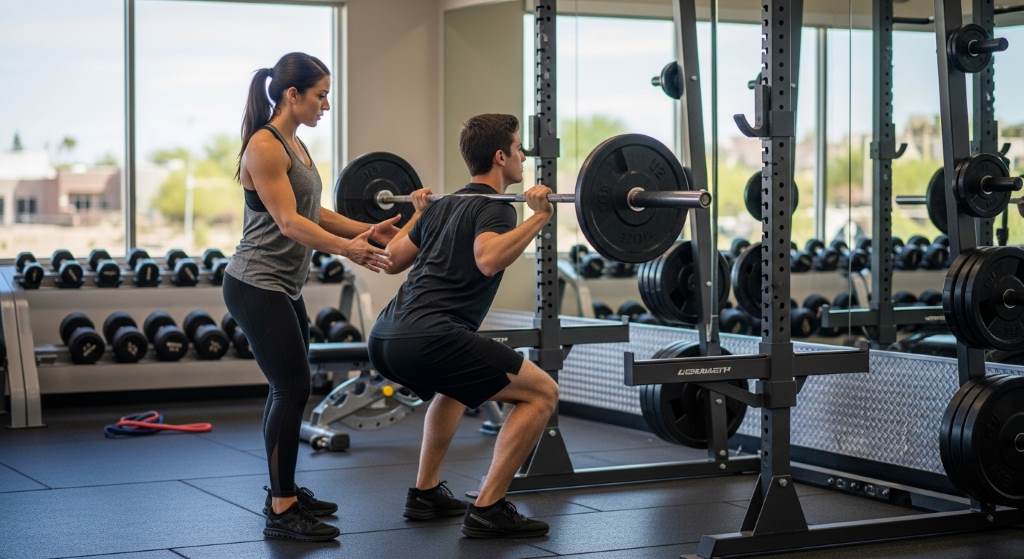
Phoenix has become one of the fastest-growing fitness cities in the Southwest, with thousands of residents joining gyms and private training studios each year. According to recent health reports, strength training participation in Arizona has increased steadily as more adults focus on injury prevention and long-term mobility. Trainers now pay close attention to safe movement patterns because lower-body workouts place heavy stress on the hips, knees, and ankles. Many coaches also educate clients about safe leg press resistance adjustment techniques before increasing weight loads. This balanced approach helps people improve strength while reducing unnecessary strain during demanding sessions.
Why Lower-Body Training Requires Extra Safety Measures
Lower-body exercises target large muscle groups that generate significant force during movement. Because of this, poor form can quickly lead to muscle strains or joint irritation. Trainers in Phoenix often work with clients who spend long hours sitting indoors or driving in heavy traffic. As a result, weak glutes and tight hip flexors commonly appear during fitness assessments.
Many trainers begin with mobility screenings before assigning heavy compound lifts. They analyze ankle flexibility, knee tracking, and pelvic stability during bodyweight movements. This process allows coaches to identify weak areas before adding resistance. In many studios, trainers also recommend routines inspired by simple exercises to increase flexibility so clients can improve movement quality safely.
Phoenix trainers also consider environmental stress when designing workout programs. High temperatures can increase fatigue and dehydration during intense sessions. Because of this, many facilities schedule demanding lower-body workouts early in the morning or later in the evening. Coaches frequently remind clients to increase water and electrolyte intake before training.
How Phoenix Trainers Build Strength Without Increasing Injury Risk
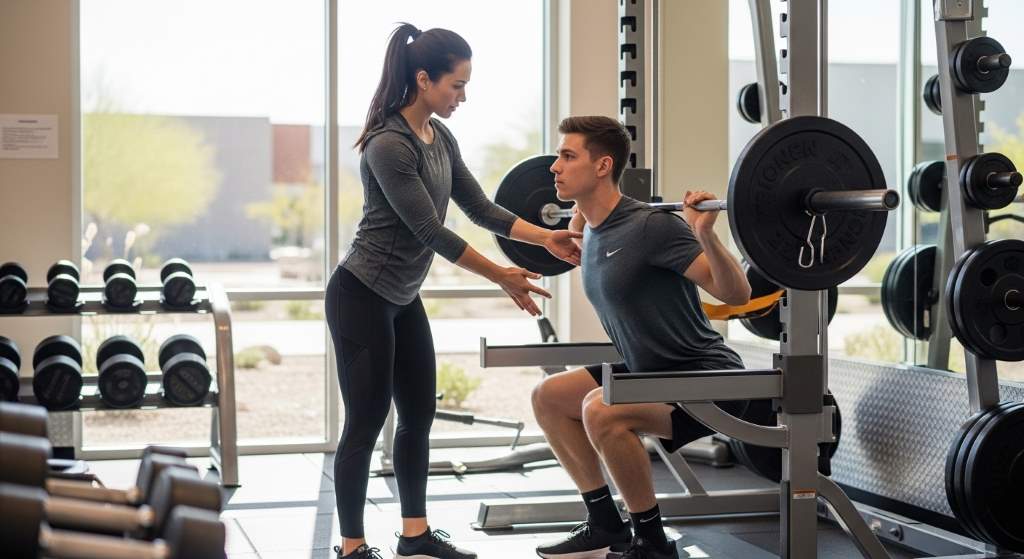
Professional trainers use progressive overload carefully instead of pushing clients too quickly. They increase resistance in small stages while monitoring recovery and joint comfort. This method helps muscles adapt steadily without placing sudden stress on connective tissue. As a result, clients maintain better long-term consistency in their fitness routines.
Most trainers prioritize movement quality before adding advanced techniques or heavier weights. They teach clients how to control squat depth, maintain posture, and stabilize the core properly. Furthermore, trainers often use mirrors or video feedback to improve body awareness. This coaching strategy reduces technical errors during challenging exercises.
Tempo training also plays an important role in many Phoenix workout programs. Trainers slow down lowering phases during squats, lunges, and Romanian deadlifts to improve muscular control. Controlled movement creates strength without requiring extremely heavy resistance. Therefore, clients gain stability and confidence while lowering injury potential.
Importance of Proper Warm-Ups
Warm-ups have become a major focus in professional training sessions across Phoenix gyms. Trainers avoid rushing clients into heavy sets because cold muscles respond poorly to explosive movement. Instead, sessions usually begin with light cardio and activation exercises. This preparation improves blood flow and joint mobility before resistance training starts.
Many coaches use mini bands, bodyweight squats, and walking lunges during warm-up sequences. These exercises activate stabilizing muscles around the hips and knees. Consequently, clients develop better alignment during demanding lifts. Trainers also use dynamic stretching instead of long static holds before workouts.
Phoenix weather creates another reason for structured warm-up routines indoors. Air-conditioned gyms can cause muscles to tighten after exposure to outdoor heat. Trainers understand this sudden temperature shift may affect mobility and coordination. Therefore, they extend activation periods for clients who arrive overheated from outside conditions.
The Role of Equipment Selection in Safer Lower-Body Sessions
Equipment choice significantly affects workout safety during lower-body training. Experienced trainers select machines and free weights according to each client’s movement ability and training history. Beginners often start with supported exercises before progressing to advanced compound lifts. This gradual transition improves confidence and technical control.
Footwear also receives careful attention during training sessions in Phoenix. Shoes with poor support may affect balance and force distribution during squats or lunges. Trainers commonly advise clients to wear stable footwear designed for strength training or cross-training activities. Some coaches even reference guides about best running shoes beginner athletes can use for better lower-body support during fitness routines.
Many private studios now use safety bars, adjustable benches, and resistance bands to reduce injury risks. These tools allow trainers to modify exercises for clients recovering from past injuries. In addition, bands create controlled resistance without excessive joint compression. This approach supports gradual strength development in a safer environment.
How Trainers Adapt Workouts to Phoenix Climate Conditions
Phoenix trainers understand that desert heat affects physical performance differently than cooler climates. High temperatures can increase exhaustion during long lower-body sessions. Consequently, many coaches reduce rest times carefully while monitoring hydration and breathing patterns. This attention helps clients maintain safe performance levels during demanding workouts.
Outdoor fitness programs often start before sunrise to avoid dangerous afternoon temperatures. Trainers encourage lightweight clothing and proper electrolyte replacement during outdoor boot camps. Furthermore, shaded areas and cooling towels are common during summer training sessions. These adjustments improve comfort while supporting safer exercise conditions.
Some trainers also reduce workout intensity during extreme heat warnings in Arizona summers. Instead of high-volume leg workouts, they may emphasize mobility work and controlled resistance training indoors. This modification prevents overheating while maintaining training consistency. Clients still progress without exposing themselves to unnecessary physical stress.
Hydration and Recovery Strategies
Hydration plays a major role in muscle function and recovery during lower-body workouts. Trainers encourage clients to drink water consistently instead of waiting until thirst appears. Dehydration may reduce coordination and increase muscle cramping during strength sessions. Therefore, coaches often discuss hydration habits before intense training begins.
Recovery methods also receive strong attention in Phoenix fitness communities. Foam rolling, stretching, and active recovery sessions help reduce stiffness after demanding workouts. In addition, trainers recommend proper sleep because muscle repair depends heavily on rest quality. Consistent recovery improves long-term strength development and lowers overtraining risks.
Several Phoenix trainers now track recovery data through wearable technology and fitness apps. These tools measure heart rate trends, sleep quality, and workout readiness. As a result, trainers can adjust lower-body intensity according to physical recovery levels. This modern approach creates safer and more personalized training programs.
Why Mobility Training Has Become a Priority
Mobility work has become more important than ever in lower-body training programs. Trainers recognize that strong muscles alone cannot protect joints from poor movement mechanics. Because of this, they include hip mobility, ankle flexibility, and core stability exercises regularly. Improved mobility supports safer lifting and better athletic performance.
Many clients arrive with limited flexibility caused by desk jobs and inactive lifestyles. Trainers use corrective exercises to improve posture and movement quality before introducing advanced exercises. This strategy creates stronger movement foundations for long-term fitness progress. As a result, clients often experience reduced discomfort during everyday activities.
Functional movement drills also help athletes improve coordination during sports performance training. Phoenix trainers frequently incorporate lateral movements, balance exercises, and rotational drills into lower-body sessions. These patterns strengthen stabilizing muscles that traditional gym exercises sometimes overlook. Consequently, clients develop more balanced physical performance overall.
The Psychological Side of Safe Strength Training
Confidence influences exercise safety more than many people realize. Trainers in Phoenix often work with beginners who fear heavy lower-body exercises because of previous injuries or gym intimidation. Supportive coaching helps clients build trust in their movement abilities gradually. This mental confidence improves exercise consistency and focus.
Many coaches avoid aggressive training environments that pressure clients into unsafe performance levels. Instead, they encourage gradual improvement and proper recovery between sessions. Positive communication helps clients report discomfort before small issues become larger injuries. Therefore, trainers can adjust exercises quickly when needed.
Some trainers also teach breathing control and mental focus during heavy lifts. Controlled breathing improves core stability and movement awareness during squats or deadlifts. In addition, focused attention reduces distractions that may compromise technique. This mental preparation supports both safety and performance improvement.
Unique Training Approaches Used in Phoenix Studios
Several Phoenix trainers now combine strength training with heat adaptation strategies for outdoor athletes. They gradually expose clients to warmer conditions while carefully monitoring recovery and hydration. This uncommon approach helps runners, hikers, and recreational athletes prepare for Arizona’s intense climate. It also reduces shock during outdoor activities in extreme temperatures.
Another growing trend involves barefoot movement assessments before strength sessions begin. Trainers analyze foot stability and walking mechanics to identify hidden weaknesses affecting knee and hip alignment. This technique remains less common in mainstream fitness blogs but has gained popularity in corrective training circles. Improved foot mechanics often lead to safer lower-body movement patterns.
Some advanced studios also use force plates and motion analysis systems during lower-body training. These technologies measure balance, force production, and movement symmetry in real time. Trainers use this data to personalize exercise programming with greater precision. Consequently, clients receive highly targeted safety and performance adjustments.
How Clients Can Support Safer Lower-Body Training
Clients play an important role in maintaining safe and effective workout sessions. Trainers encourage honest communication about soreness, fatigue, or previous injuries before training begins. Sharing this information helps coaches modify exercises appropriately. This teamwork creates a more productive fitness experience overall.
Consistency also improves safety during strength development. Skipping workouts frequently may reduce movement efficiency and slow physical adaptation. Therefore, trainers recommend manageable schedules that support long-term commitment. Regular attendance allows gradual improvement without sudden physical overload.
Nutrition supports lower-body performance and recovery as well. Trainers often recommend balanced meals containing protein, healthy carbohydrates, and hydration support before training sessions. Proper nutrition improves energy levels and muscular repair after demanding workouts. Some coaches also suggest strategies similar to overcome plateaus and progress methods used in athletic conditioning programs.
Conclusion
Trainers in Phoenix, AZ continue to balance strength and safety by combining smart programming, movement education, and climate awareness during lower-body workout sessions. Their methods focus on long-term progress instead of risky shortcuts that increase injury potential. Clients benefit from better mobility, stronger muscles, and improved confidence through these structured approaches. If you want safer and more effective lower-body results, consider working with a qualified Phoenix trainer who prioritizes proper technique and personalized fitness strategies.
FAQs
Why do Phoenix trainers focus heavily on hydration during lower-body workouts?
Phoenix heat increases dehydration risk, which can reduce performance and raise injury chances during intense training.
What lower-body exercises do trainers commonly use for beginners?
Most trainers start beginners with bodyweight squats, lunges, glute bridges, and controlled leg press variations.
How often should lower-body workouts be performed safely?
Most people benefit from two to three structured lower-body sessions per week with proper recovery time.
Why is mobility important for lower-body strength training?
Good mobility improves movement quality and helps reduce joint stress during exercises like squats and deadlifts.
Do Phoenix trainers modify workouts during extreme summer heat?
Yes, many trainers reduce workout intensity and prioritize indoor sessions during excessive heat conditions.

