
Newborn metabolic disorders are inherited conditions that prevent a baby’s body from properly processing nutrients such as proteins, fats, or sugars, and early detection can prevent brain damage, organ failure, or death.
A newborn can appear completely healthy at birth yet still carry a hidden metabolic condition that becomes dangerous within days. Many parents first notice subtle symptoms—poor feeding, unusual sleepiness, vomiting—only after irreversible complications begin. That delay is often the difference between normal development and lifelong disability.
Newborn metabolic disorders, also called inborn errors of metabolism (IEM), affect how the body converts food into energy. Without early screening and intervention, toxic substances accumulate in the bloodstream or essential nutrients become unavailable to vital organs such as the brain.
Globally, expanded newborn screening programs now detect dozens of these conditions shortly after birth. Early diagnosis allows simple interventions—diet changes, supplements, or medications—that dramatically improve outcomes.
This guide explains how parents, caregivers, and clinicians can recognize early warning signs, understand screening methods, and respond quickly when metabolic disorders are suspected.
What are newborn metabolic disorders?
Newborn metabolic disorders are genetic conditions that disrupt enzyme activity required to break down nutrients into usable energy and building blocks for growth.
These disorders occur when a baby inherits mutations affecting metabolic pathways. Without functional enzymes, the body cannot properly process:
- Amino acids
- Fatty acids
- Organic acids
- Carbohydrates
- Hormone precursors
Instead, harmful substances accumulate while essential compounds become deficient. This imbalance can damage the brain, liver, heart, or muscles within days or weeks.
Examples include:
- Phenylketonuria (PKU)
- Maple syrup urine disease (MSUD)
- Galactosemia
- Medium-chain acyl-CoA dehydrogenase deficiency (MCADD)
- Congenital hypothyroidism
- Urea cycle disorders
Individually rare, these disorders collectively affect approximately 1 in 1,500 to 1 in 2,500 newborns worldwide.
Why is early identification of metabolic disorders so important?
Early identification prevents irreversible neurological damage by allowing treatment before toxic metabolites accumulate in the brain.
Many metabolic conditions follow a predictable timeline:
- Birth: baby appears healthy
- Day 2–5: feeding problems begin
- Week 1–2: lethargy, vomiting, seizures
- Later: developmental delay or organ failure
Intervention during the symptom-free window dramatically improves survival and cognitive outcomes. For example:
- PKU treatment within the first weeks prevents intellectual disability
- Early thyroid hormone therapy avoids growth impairment
- Prompt galactose restriction prevents liver failure
Newborn screening programs exist specifically to detect disorders before symptoms appear.
What are the earliest warning signs of metabolic disorders in newborns?
Early warning signs include poor feeding, vomiting, unusual sleepiness, seizures, breathing problems, or a distinctive body odor.
Symptoms often appear subtle at first. Parents should watch for:
- Difficulty breastfeeding or bottle feeding
- Persistent vomiting
- Low muscle tone (floppiness)
- Excessive sleepiness
- Rapid breathing
- Seizure activity
- Jaundice lasting longer than expected
- Unusual urine smell
Can metabolic disorders appear after normal birth exams?
Yes, many babies pass initial physical exams but develop symptoms days later as toxic metabolites accumulate.
This delayed onset is why laboratory screening—not observation alone—is essential.
Which metabolic disorders are most commonly detected in newborn screening?
Newborn screening programs typically test for amino acid disorders, fatty acid oxidation disorders, endocrine abnormalities, and carbohydrate metabolism conditions.
| Disorder | Primary Problem | Early Treatment | Risk Without Treatment |
|---|---|---|---|
| Phenylketonuria (PKU) | Cannot process phenylalanine | Special low-protein diet | Intellectual disability |
| Congenital hypothyroidism | Low thyroid hormone | Hormone replacement | Growth delay |
| Galactosemia | Cannot digest galactose | Lactose-free diet | Liver failure |
| MCADD | Fat metabolism failure | Avoid fasting | Sudden metabolic crisis |
| MSUD | Amino acid breakdown defect | Dietary management | Brain swelling |
Expanded screening panels in many countries now detect over 30 metabolic disorders.
How does newborn screening detect metabolic disorders?
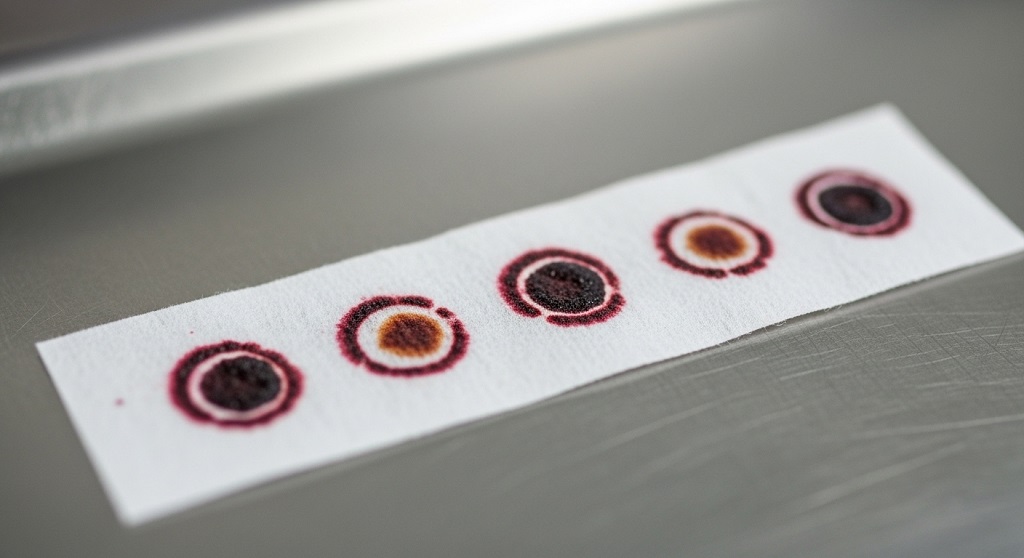
Newborn screening uses a heel-prick blood test performed within the first 24–72 hours after birth to identify abnormal metabolite levels.
The procedure involves:
- Collecting a few drops of blood
- Placing samples on filter paper
- Analyzing metabolic markers using tandem mass spectrometry
This technology can identify dozens of disorders from one sample.
Is newborn screening mandatory everywhere?
Screening policies vary by country, but most healthcare systems strongly recommend testing because early detection prevents severe disability.
Parents should confirm which conditions are included in their local screening panel.
When should newborn metabolic screening be performed?
Newborn screening should be performed between 24 and 72 hours after birth, with repeat testing if risk factors exist.
Timing matters because:
- Testing too early may miss abnormalities
- Testing too late delays treatment
- Premature infants may need additional screening
Follow-up tests are often recommended for babies:
- Born prematurely
- Receiving transfusions
- Admitted to NICU
- Showing early symptoms
Which babies are at higher risk for metabolic disorders?
Babies with a family history of metabolic disease, consanguineous parents, or unexplained sibling deaths face higher risk.
Additional risk factors include:
- Previous child with metabolic disorder
- Unexplained neonatal illness in siblings
- Developmental delays in family members
- Ethnic groups with higher prevalence of specific conditions
Does family history always predict metabolic disorders?
No, many affected newborns have no known family history because conditions are inherited recessively.
This is why universal screening remains essential.
What symptoms require urgent metabolic evaluation in newborns?
Seizures, persistent vomiting, lethargy, breathing difficulty, or unexplained coma require immediate metabolic testing.
Emergency indicators include:
- Sudden feeding refusal
- Hypoglycemia
- Metabolic acidosis
- Abnormal muscle tone
- Unusual body odor
- Rapid neurological decline
These symptoms signal a possible metabolic crisis requiring urgent treatment.
How do doctors confirm a suspected metabolic disorder?
Doctors confirm metabolic disorders using blood chemistry panels, urine organic acid testing, enzyme assays, and genetic analysis.
Diagnostic steps typically include:
- Plasma amino acid testing
- Urine organic acid screening
- Acylcarnitine profiling
- Ammonia level measurement
- DNA sequencing
These tests identify the affected metabolic pathway and guide treatment decisions.
What role do parents play in early detection?
Parents play a critical role by recognizing early symptoms, attending screening appointments, and reporting feeding or behavioral changes promptly.
Practical steps parents can take:
- Ensure screening is completed before discharge
- Monitor feeding patterns closely
- Track sleep and alertness levels
- Report persistent vomiting immediately
- Follow up on abnormal test results
Should parents request additional testing if symptoms persist?
Yes, persistent symptoms after normal screening results may require repeat evaluation or specialist referral.
Can metabolic disorders be treated successfully if detected early?
Most metabolic disorders can be managed effectively with diet therapy, supplements, medications, or hormone replacement when detected early.
Treatment strategies include:
- Specialized medical formulas
- Amino acid restriction diets
- Vitamin cofactors
- Carnitine supplementation
- Hormone replacement therapy
- Emergency metabolic protocols
Early treatment prevents complications such as developmental delay, seizures, and organ damage.
How accurate is newborn metabolic screening?
Newborn screening is highly accurate but not diagnostic, meaning abnormal results require confirmatory testing.
False positives may occur, especially in premature infants. However, screening programs prioritize sensitivity to avoid missing serious conditions.
Follow-up testing clarifies uncertain results quickly.
What happens if a newborn screening result is abnormal?
An abnormal screening result triggers immediate confirmatory testing and referral to metabolic specialists.
Next steps usually include:
- Repeat blood testing
- Specialized metabolic panels
- Genetic consultation
- Dietary modifications if needed
Prompt response ensures treatment begins before symptoms worsen.
Conclusion
Newborn metabolic disorders often remain invisible at birth but can rapidly become life-threatening without early detection. Screening programs exist precisely to identify these conditions during the narrow window when treatment is most effective.
Parents who understand early warning signs—feeding problems, lethargy, seizures, persistent vomiting—can act quickly if symptoms emerge. Combined with routine heel-prick screening and follow-up testing, early recognition dramatically improves survival and long-term development.
If your newborn has not yet completed metabolic screening or shows unusual symptoms, contact your healthcare provider immediately. Early action protects brain development, supports healthy growth, and prevents avoidable complications.
Staying informed is one of the most powerful steps parents can take to safeguard their child’s future.
-
CDC (Centers for Disease Control and Prevention): About Newborn Screening
-
Baby’s First Test (Supported by HRSA): Conditions Screened by State
FAQ: Early Detection of Newborn Metabolic Disorders
How soon after birth should metabolic screening be done?
Metabolic screening should be performed within 24–72 hours after birth to detect abnormalities before symptoms develop.
Can metabolic disorders be cured?
Most metabolic disorders cannot be cured but can be effectively managed with early treatment and lifelong monitoring.
Are metabolic disorders hereditary?
Yes, most newborn metabolic disorders are inherited through autosomal recessive genetic mutations.
Do all hospitals perform newborn screening tests?
Most hospitals perform routine screening, but the number of conditions tested varies by region.
What happens if screening is delayed?
Delayed screening increases the risk of untreated metabolic buildup that can lead to neurological injury or organ failure.
Can breastfeeding continue after diagnosis?
Breastfeeding may continue depending on the condition, though some disorders require specialized formulas.
Is repeat screening ever necessary?
Yes, premature infants or babies with abnormal results may require repeat screening for accurate diagnosis.
Read More Also:Caring for Your Liver Health Long Term
Discover More: How to choose a multivitamin for your child